
Philadelphia is a city defined by its diverse communities. Every area has a unique vibe and a specific set of needs. If you run a business here, you know that competition is fierce. Local search engine optimization (SEO) helps you stand out from the crowd. When someone searches for “SEO Philadelphia,” they want results that are close to home.
This post shows you how to success the local search game. We will cover how to rank in the “Map Pack” and how to build trust with local customers. Success in our city requires more than just a website. It requires a deep connection to the community and a smart digital strategy that reaches people exactly where they live and work.
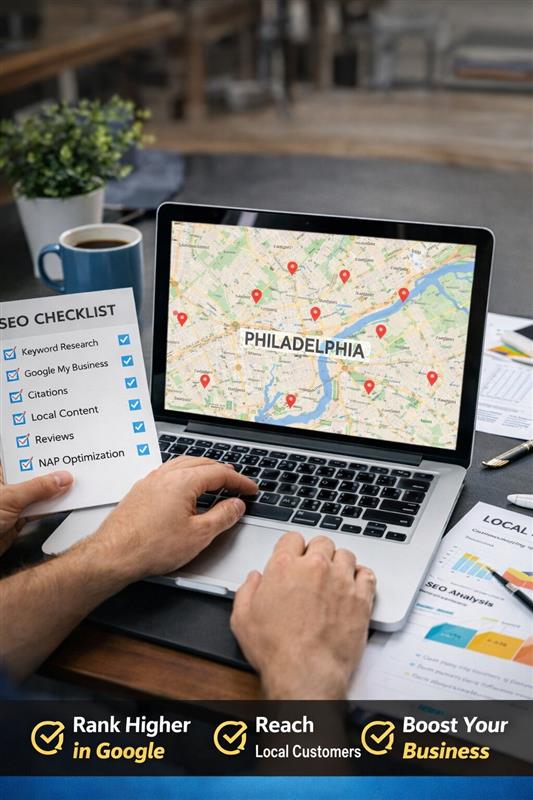
Why Local SEO Matters for Your Business
Most people use their phones to find services nearby. They search for the best coffee shop or a reliable plumber in their immediate area. If your business does not show up in those searches, you lose a sale. Local search isn’t limited to only normal keywords. It’s about proving Google that you’re a real and active part of the city.
Key Benefits
- More Foot Traffic: Attract more customers on your store by visible in local maps.
- Higher Lead Quality: Join people who are ready to buy now and live nearby.
- Brand Trust: Become a top choice in your area.
- Cost Efficiency: Target people in your exact zip code rather than spending money on the whole state.
Step 1: Optimize Your Google Business Profile
Your Google Business Profile (GBP) is your most important digital asset. It is the box that appears at the top of search results when people look for local services. In 2026, Google looks for “activity signals” to determine ranking. You cannot just set up a profile and forget it.
- Claim Your Listing: Verify your business name, address, and phone number (NAP) to ensure their accuracy.
- Be Specific with Categories: Don’t choose a comprehensive word like restaurant. Choose the most suitable sub-category for your menu.
- Post Weekly Updates: Share photos of your work or special deals. Use real, high-quality photos of your team and your physical location.
- Enable Messaging: Let customer’s text you directly from the search page for quick answers.
Regular updates signal to search engines that your business is alive and well. High-quality photos of your storefront or your office help users recognize your brand when they walk by.
Step 2: Focus on Neighborhood Keyword Strategies
The city is not just one big block. It is a collection of smaller communities. To rank well, you must mention specific zones without just listing zip codes.
Use broad local terms like:
- Local business directories
- Regional marketing strategies
- Professional service areas
- County-wide search optimization
- Nearby service zones
- Metro area commerce
- Historic district services
Create pages for the different areas you serve. If you are a contractor, have unique pages for the different parts of the city where you offer home repairs. This helps you show up for “near me” searches. Be sure to use local landmarks and general area descriptions in your text. Mentioning well-known parks or public squares helps search engines place your business in the correct local context.
Step 3: Build Local E-E-A-T
Google wants to see Experience, Expertise, Authoritativeness, and Trust. They want to know you actually do the work you claim to do. This is vital for businesses that handle sensitive topics like law, finance or medicine.
How to show experience:
- Case Studies: Show a project you finished in a local neighborhood. Include photos and a brief story about the problem you solved.
- Client Testimonials: Reviews from local residents carry more weight. Ask happy customers to mention the general area where they live in the review.
- Expert Bios: Every blog post should have a writer’s bio. Mention how many years you have worked in this specific urban market.
Step 4: Master the Mobile Experience
Most local searches happen while people are moving. If your site is slow, people will leave immediately. Local residents are busy and want fast answers. They might be checking your hours while riding public transit or looking for a shop while walking down a busy street.
- Speed is King: Your website should load in less than two seconds on a mobile connection.
- Easy Navigation: Make your “Call Now” button easily searchable on large and small screens.
- Clean Design: Avoid those annoying pop-ups that cover the entire screen and frustrate users.
- Click-to-Map: Make sure your address is directly linked to the map apps for easy directions.
Step 5: Get Local Backlinks
A backlink is a sign of trust from another website. A link from a local news outlet or a regional magazine is worth more than ten normal links from across the country.
- Sponsor Local Events: Support the elections in your locality or the team of the local school. This will often give you a link to their official website.
- Join Local Business Groups: Being a member of a local chamber of commerce builds significant trust with search engines.
- Partner with Other Shops: A local bakery and a nearby coffee shop can be linked together as recommended partners.
- Guest Post on Local Blogs: Write about community issues or industry-related tips on your neighborhood forums or local news sites.
Step 6: Use Structured Data (Schema)
A schema is a special code that tells search engines what type of business you have. It helps the AI system to understand your location and services. You should use the “Local Business” schema on your site. This code tells the search engine your hours, address, and price range. It makes it much easier for Google to put you in “AI Overviews” and voice search results.
The Importance of Online Reviews
Reviews are the modern version of word-of-mouth. In a tight-knit city, people talk. Positive feedback on major platforms can lead to success or failure for a small business.
Strategies for More Reviews:
- Ask at the Right Time: Request a review immediately after a successful service or purchase.
- Make it Easy: The customer doesn’t need to find you, so send a direct link via text or email.
- Respond Promptly: Thank you for the good reviews. Address concerns expressed in negative reviews in a professional and calm tone.
- Avoid Incentives: Don’t ever give up in exchange for reviews. Keep your response honest and natural to follow the rules of the search engine.
Social Media for Local Reach
Social media is a powerful medium to reach people around you. Use platforms like Instagram and Facebook to target residents of your area.
- Use Local Hashtags: Use tags to know what’s happening in your area, which residents follow.
- Tag Your Location: Always tag that area or neighborhood in your social media post.
- Engage with Local Creators: Partnership with local influencers with loyal followers in the city.
Localized Content Strategy
Present your content solutions to local problems. If you’re a home repair expert, type about what impact local weather has on homes. If you’re an advisor, explain the rules applicable to businesses in this specific area.
- Community Tie-ins: Write about what impact local events or seasons have on your industry.
- Local Highlights: Include other businesses in your area you appreciate and those with whom you work.
- Resource Guides: Create a list of the best local places or hidden places in your city area.
Technical SEO for the Local Market
Besides writing, the technical side of your website should also be strong. Search engines need to crawl your site easily to understand where you are located.
- Internal Linking: Link your specific service area pages to your main service page.
- Clean URL Structure: Your website address should be clear. Use clear paths like yoursite.com/local-area-services.
- Image Optimization: Small file size keeps your site faster. Use Alt Text, describing the image and referring to its usual location.
Voice Search and AI Results
With the growing trend of smart speakers, more people are using their voice to find things. They ask, “Where is the closest hardware store?” or “Find a dry cleaner near me.”
- Natural Language: Write content that sounds like a person talking and answers direct questions.
- FAQ Sections: Add a section to your pages that answers to the most common questions your customers ask.
- Short Snippets: Keep your answers brief so that it’s easy for AI assistants to read them loudly.
Staying Ahead in 2026
The search world keeps changing every day. Google now prioritizes content that look human and helpful. Avoid using automated tools to write your entire website. Show your personality and share your story. Tell why you started your business in this city and how your approach is different from others.
Future-Proofing Steps:
- Audit Your Site Regularly: Check broken links and old information in a few months regularly.
- Monitor the Competition: See what other successful businesses are doing to maintain their presence in your area.
- Stay Updated on Trends: Follow reliable news sites to learn about changes in the ranking of search engine local sites.
Final Thoughts
Creating a local presence through online is a long-term project. You will not see a massive change overnight. However, being consistent pays off in the end. By focusing on your specific area, you build a digital wall around your market. Start by claiming and updating your Google Business Profile (GBP) today. Then, move on to creating helpful content that speaks to the residents of our city.
This city rewards businesses that put in the work. Your digital presence should reflect the same hard work that you put into your physical services. If you need professional help for SEO Philadelphia, look for partners who understand the local culture and the unique challenges of our market. Sustained efforts will ensure that your business retains an important place in the community for years to come.
